June 14, 1940. Paris has fallen.
Panic has spread before the Nazi advance. Tens of thousands flee. Many had already fled once—giving up everything to leave Germany and make a new home in France. Jews, certainly, but also anti-fascist activists, intellectuals, LGBTQ people, socialists, and anyone else for whom the horrors of fleeing your country were lesser than the horrors of living under a Nazi boot.
Now, it was clear: nowhere in Europe was truly safe. Their mission: Get Out.
But wait just a second there. Anyone who has moved to a country knows that it involves assembling a mountain of paperwork. And in the summer of 1940, that was doubly true. You needed passports, residence visas for your new homeland, and exit, entry, and transit permissions for every country you planned to cross. You need to stand in line at every embassy and hope upon hope that you meet a friendly face when it’s your turn at the front of the line.
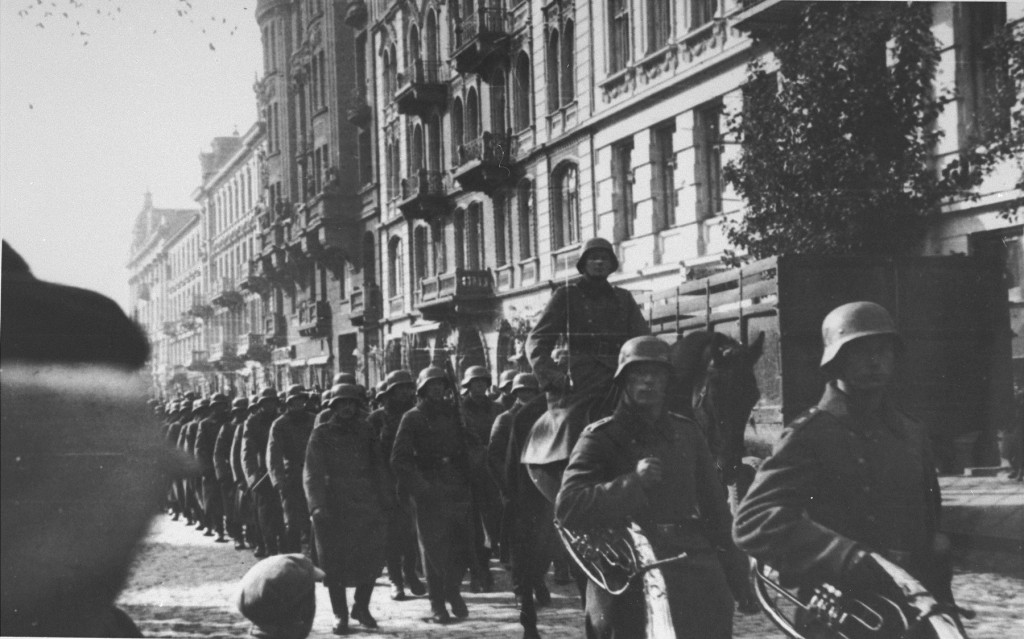
Imagine doing that while the Nazis are advancing towards your city.
Many didn’t make it. Most who wanted to leave couldn’t. It’s the simple, subtle violence of bureaucracy. It’s impossible to do it “the right way”. That’s the point. There is no right way.
For those lucky thousands who did have a chance, they all trained their sights on one spot: Lisbon. The rest of the ports with steamships leaving Europe had been closed. Though living under a brutal dictatorship, Portugal was still a neutral country. And the Portuguese dictatorship, to better keep an eye on these refugees, funneled them all through the capital.
Living in Lisbon as a WWII Refugee
What had been a constant drip of refugees since Hitler took power suddenly became a flood. The Portuguese dictatorship had no love of foreigners; none of the refugees were allowed to stay in Portugal. All had to leave within 30 days or risk arrest by the Portuguese secret police, who were always watching.
If you were one of the lucky few to arrive in Lisbon in 1940, you’d probably be in a bad state. You were probably middle class, originally from Germany, but as the antisemitic violence got worse and worse in the 1930s, you and your family left. The Germans had cancelled your citizenship and your passport, and as a final insult, they had taken 95% of all your personal wealth and belongings when you left. But you made it out, and went to start over in Belgium, or the Netherlands, or France where you had friends or relatives.
But when 1940 came, you had to flee again, with invalid German passports and the little money you had managed to scrape together in your new life. By the time you made it to Portugal, you probably had nothing left but your pride and your life.
Arriving in Lisbon, you’d meet others with similar stories. The lucky ones had managed to get out early, squirrel away some money, book passage on a ship. Their lives would be easy, relatively. Most of you landed in Lisbon in some degree of dire straits. Your papers were not fully in order: maybe the consul gave you a stamp that was not fully legit. Maybe you had to resort to a smuggler to get across the border. You were an illegal immigrant; you had done what you had to do to survive.
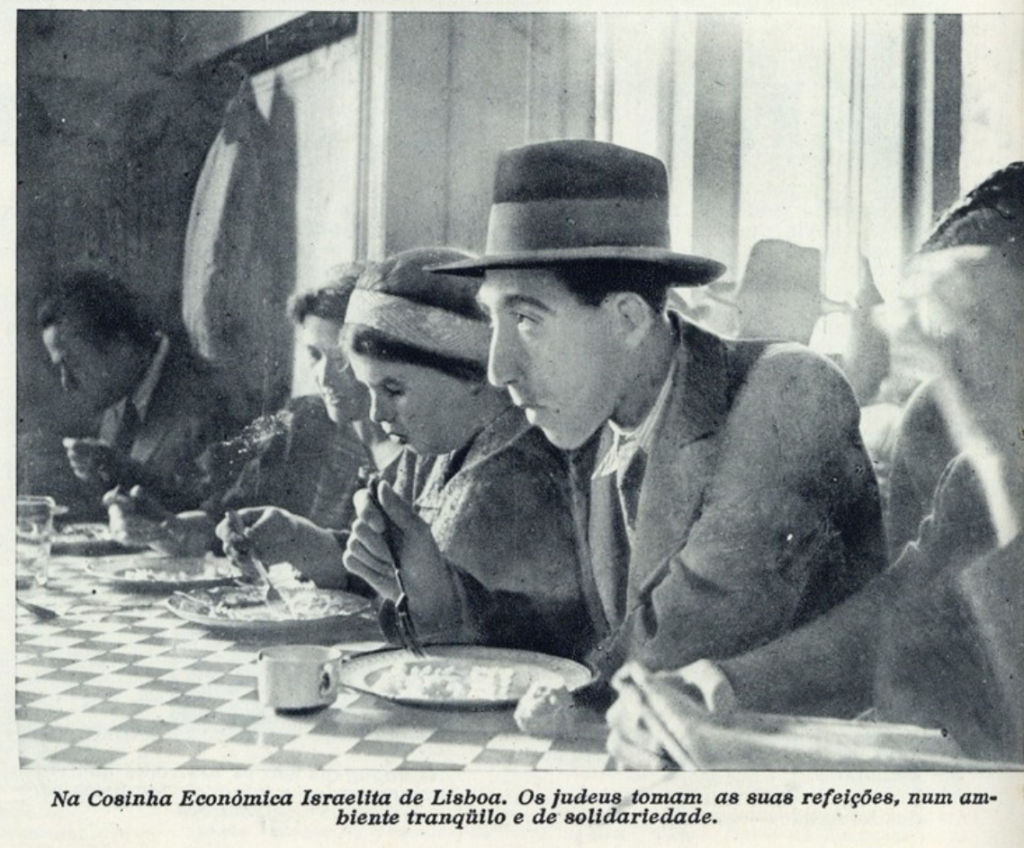
Your money had run out long ago. You had sold or traded away your belongings for food, for shelter, for the dozens of big and little bribes necessary to get where you needed to go. To the Portuguese people, many of those refugees arriving in Lisbon seemed well-off: decently-dressed middle-class people from central Europe. But it was often an image of propriety meant to hide the poverty they had been thrust into.
And then, the danger. You, having become a poor foreigner in Lisbon, with sketchy papers and a ticket for a boat that sailed a month ago. You, the head of a labor union who protested the Nazis and ended up in their crosshairs. You, with no useful family members in Brazil or the USA able to get you a visa. Where do you go?
You go to the Unitarian Service Committee.
Refugee Aid Organizations in Lisbon during WWII
The Unitarian-Universalist Service Committee (https://www.uusc.org/) is an international aid organization dedicated to advancing the cause of social justice and human rights worldwide. They were one among many organizations which sprang into action to help the refugees of WWII Lisbon. It was one of their first major causes.
They were not alone; the lion’s share of the work was done by the Jewish aid organizations the AJDC and HICEM (now known as the JDC and HIAS), as well as Portuguese associations spearheaded by the Communidade Israelita de Lisboa—the Jewish community of the city of Lisbon. The two major non-Jewish organizations operating in Lisbon were the Quakers and the Unitarians.
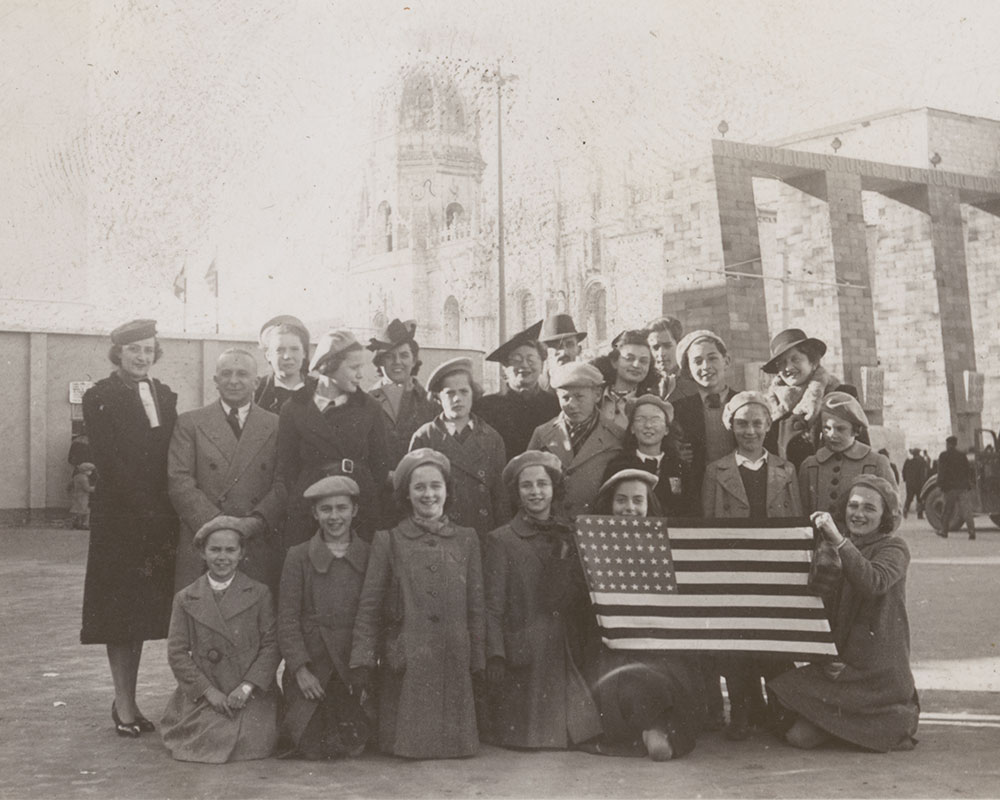
Like today, each organization had their niche. The Unitarians’ niche became the people who had found themselves in the most trouble: political refugees. They aided refugees from the Spanish civil war who had fled to Portugal, but then had been thrown into prison by the Portuguese dictatorship for being “socialists” or “communists”. They also helped those among the new wave of refugees who were targeted by the Portuguese regime for their political beliefs.
These brave Unitarians were the only ones who visited people in prison. For the most part, to other organizations these were untouchable; but the Unitarians worked tirelessly to get them fair treatment, and ultimately, freed.
Creating a Unique Educational Experience for the UUSC Convening
In 2026, the UUSC held a convening here in Lisbon, focusing on issues of gender and the ascendance of religious nationalism worldwide. And they got in touch with Stories Abroad Tours to tell their participants the organization’s history here in Lisbon.
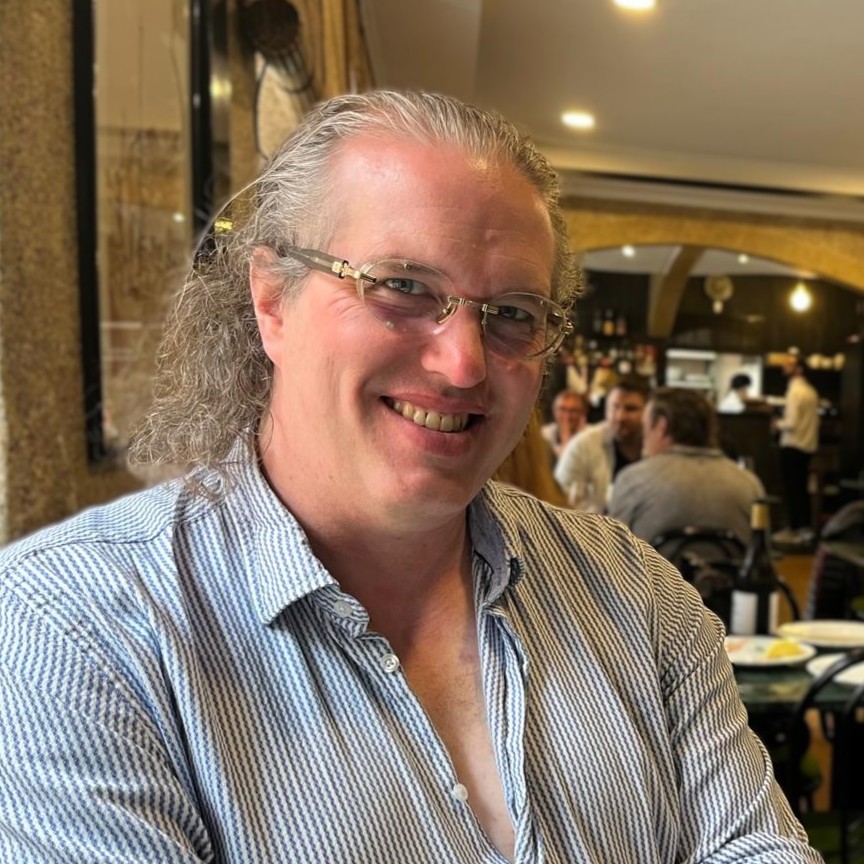
So for a pre-event day, we organized a history program for them! First up, we wanted to give them the big-picture: what was the refugee crisis, who were the players involved, what happened to these organizations—so our Director of Experiences, Paul Sturtevant, gave a brief talk which gave them the framework for their understanding.
But then, we went deeper: we invited two of the best Portuguese historians working today on the subject. Fábio Alexandre Faria wrote his PhD on the Spanish refugees in Portugal, and has just co-authored a new book on the subject, called Refugees in Portugal in the 20th Century: Between Hospitality and Intransigence. As a crowning achievement, we were also able to have the participants hear from famed Portuguese historian Irene Flunser Pimentel, who may be the single person who has written more than anyone else on this very subject.
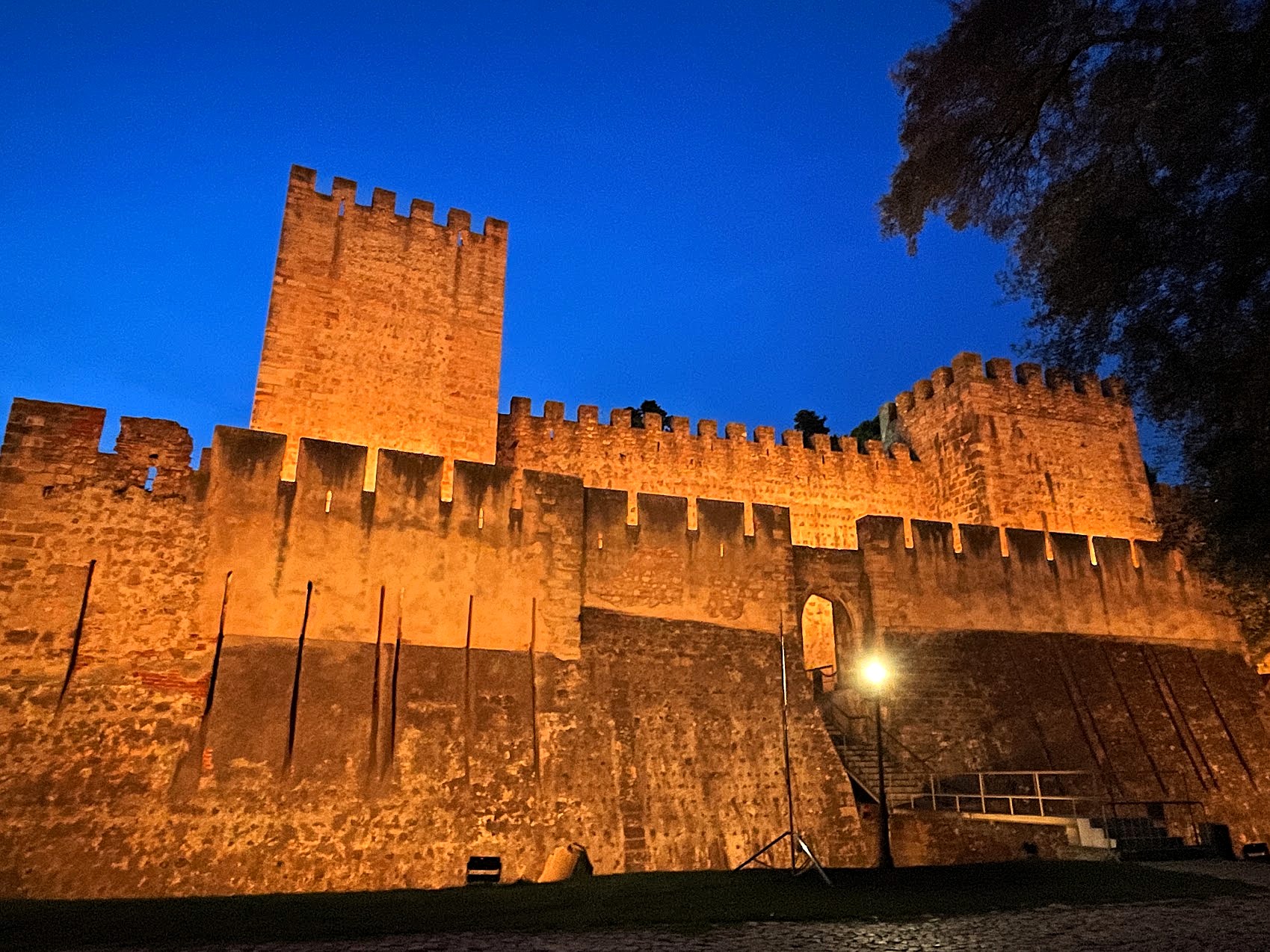
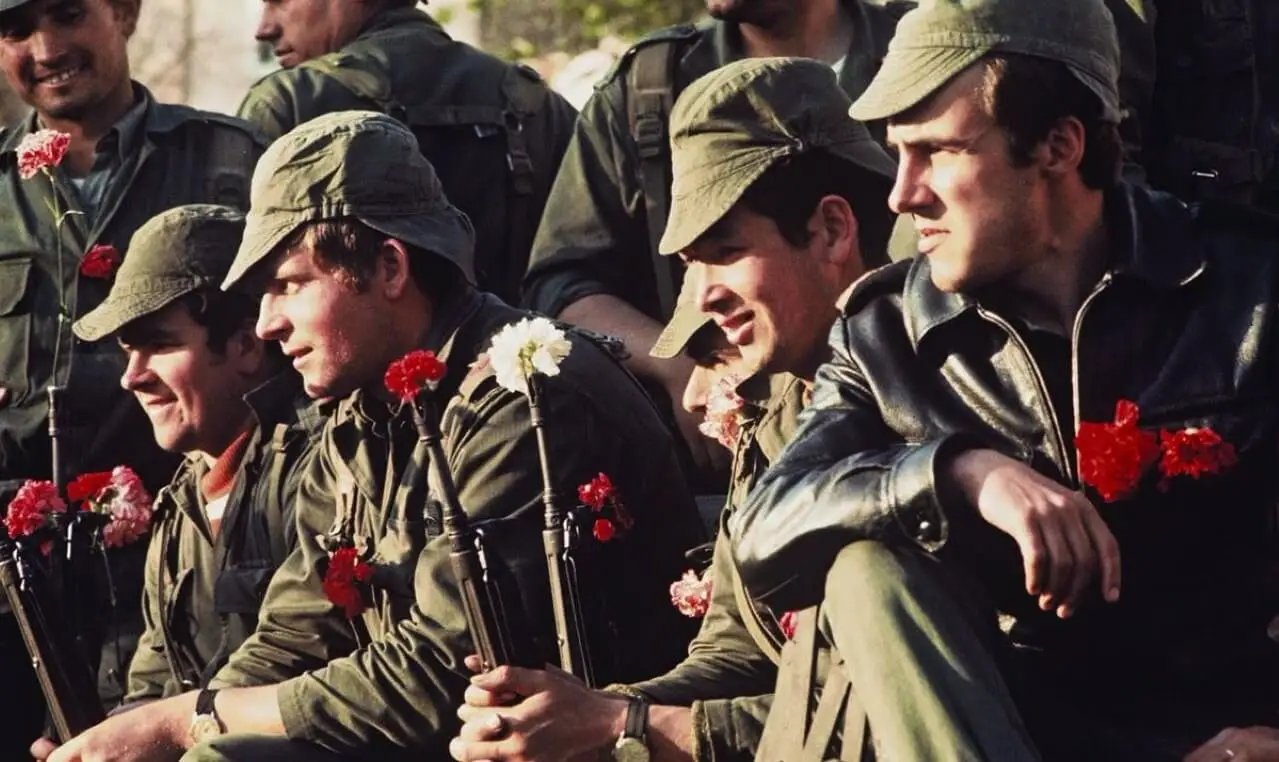
Afterwards, we took to the streets. We planned a tour of the refugees’ story in downtown Lisbon for the 38 attendees and—at special request by the UUSC—added content about the fall of the Portuguese dictatorship as well. So, we started where it all ended: Carmo Square, the last holdout of the Portuguese dictator which was surrounded by revolutionaries on the fateful day of the Carnation Revolution in 1974. We then traced the route of the revolution down to Rossio square, and toured the train station that welcomed many of the refugees in the 1940s and the old cafes that became their homes-away-from-home. Also there is the Hotel Metropole, an important hidden gem, having been the first headquarters of the UUSC during its time in Lisbon and temporary home of their most-famous missionaries, Waitstill and Martha Sharp.
All of these stories we enhanced with photographs from the time: images found from research in the Lisbon Photographic Archives, from the archives of the JDC and the United States Holocaust Memorial Museum, and even Life Magazine articles from the 1940s!
Our third stop was truly a hidden gem: across from Lisbon’s famous wrought-iron elevator is an art-deco building. It’s mostly abandoned now, having fallen on hard times. But in the 1940s, it was the home of the international Havas PR agency—and became the home of the AJDC, the American Jewish Joint Distribution Committee.
Though the building is not much to look at now, through our research we were able to find images of what it looked like in the 1940s, as well as images inside the JDC offices of the tireless people whose work in that now-dilapidated building saved thousands of lives.
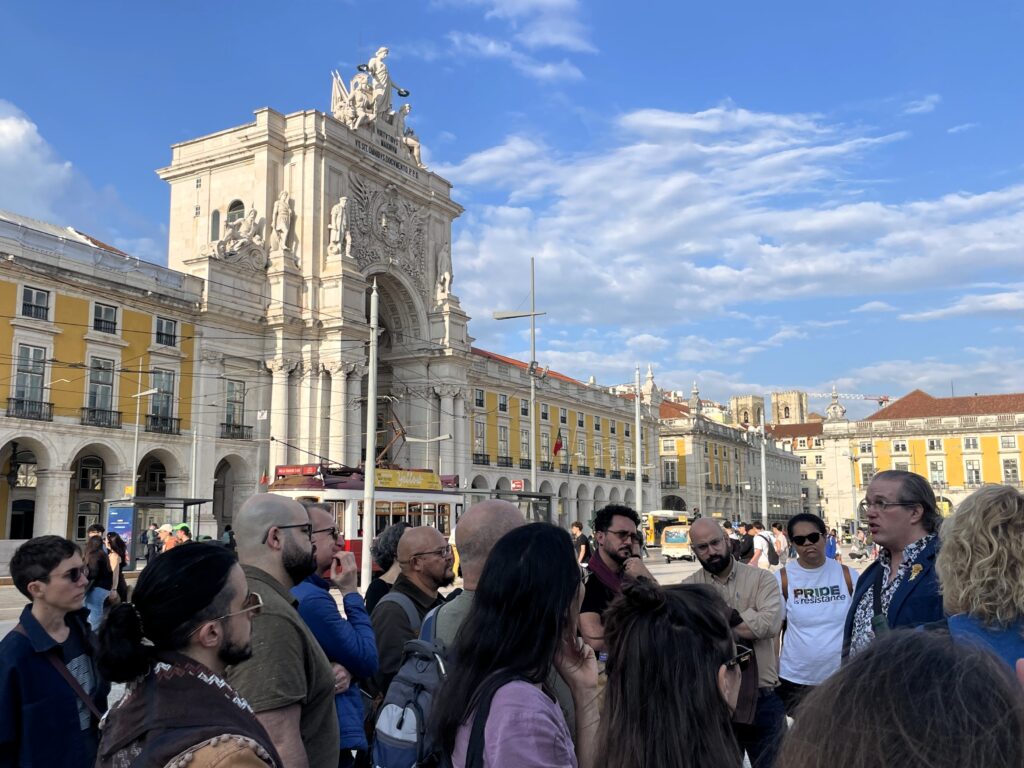
Finally, we ended at the beginning: Terreiro do Paço, also known as Praça do Comércio. It was the site of hope and fear for both of our stories: in the 1940s, it held the central post office of Lisbon, where hundreds of refugees would wait to hear word from friends or loved ones. Just downriver is the Port of Lisbon, where most were able to successfully leave to find safety in a new home. And thirty years later, it saw a new moment of hope and fear, as the first major conflict zone in the revolution that brought down the dictatorship.
After all of this, the attendees had worked up an appetite. And so we went to dinner together at a restaurant that helps tell the story of Lisbon’s current relationship with refugees. Mezze is a restaurant founded in 2012 by Syrian refugees fleeing the civil war in their country. It has become one of the pillars of the regeneration of the neighborhood of Arroios. And more, they have formed their own nonprofit, Pão a Pão, which helps to train and integrate migrants and refugees in Lisbon. They are continuing the work.
Stories Abroad Tours History Experiences for Conferences
Overall, we’re very proud of the work we did with the UUSC, and were overjoyed to be able to create such a meaningful, multifaceted experience for their convening-goers that helped tell a story which means so much to their organization.
If you’re having a conference or group trip to Portugal and are interested in a top-tier educational experience, reach out to us! We would be honored to work with you!